

The Union Government’s ambitious plan to develop 50 destinations across India as global tourist hubs could mark a transformational chapter for Hampi. With its unmatched historical legacy, UNESCO World Heritage status, and growing international appeal, Hampi stands as one of the strongest contenders to benefit from this nationwide tourism development framework.
For years, Hampi has attracted travellers from across the world with its majestic ruins, stone-carved temples, boulder landscapes, coracle rides, and deep connection to the glorious Vijayanagara Empire. However, despite its global recognition, the region has often struggled with gaps in infrastructure, tourist management, hygiene systems, accommodation capacity, and transport connectivity. The Centre’s newly proposed framework directly addresses these concerns, creating a major opportunity for Hampi to evolve into a world-class tourism destination.
If included under the scheme, Hampi could receive significant funding for infrastructure upgrades, better roads, improved public amenities, digital tourist systems, parking facilities, lighting, signage, sanitation, and preservation efforts. Such improvements would not only elevate the visitor experience but also encourage longer tourist stays and higher spending within the local economy.
The development model also emphasizes global standards in cleanliness, safety, and hospitality. This could encourage premium hotels, resorts, cafes, eco-stays, and tourism-based startups to invest in the Hampi region through public-private partnerships. Increased investment would create employment opportunities for local youth in sectors such as hospitality, guiding services, transport, handicrafts, photography, event management, and cultural tourism.
Hampi’s tourism potential extends far beyond monuments. The region has the ability to become a cultural and experiential tourism hub through music festivals, heritage walks, local cuisine promotion, cycling trails, adventure tourism, and art-based events. With structured planning and international branding, Hampi could attract a wider category of travellers including luxury tourists, digital nomads, historians, backpackers, and spiritual travellers.
Improved tourism infrastructure would also benefit nearby towns and villages across the Vijayanagara region. Local businesses, homestays, restaurants, transport operators, artisans, and small vendors would gain from the increased tourist footfall. Farmers and rural entrepreneurs could also find opportunities through agro-tourism and local product sales linked to tourism activity.
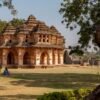
One of the most important aspects of the proposed framework is accountability through performance reviews and public feedback systems. For a destination like Hampi, this could ensure long-term maintenance and continuous improvement rather than temporary beautification projects. Sustainable tourism management would help preserve the heritage value of the monuments while balancing tourist growth responsibly.
As Karnataka continues to position itself as a major tourism state, Hampi has the potential to become its global tourism crown jewel. With proper implementation, strategic investment, and coordinated development, the ancient capital of the Vijayanagara Empire may soon transform into one of India’s most celebrated international tourism destinations.